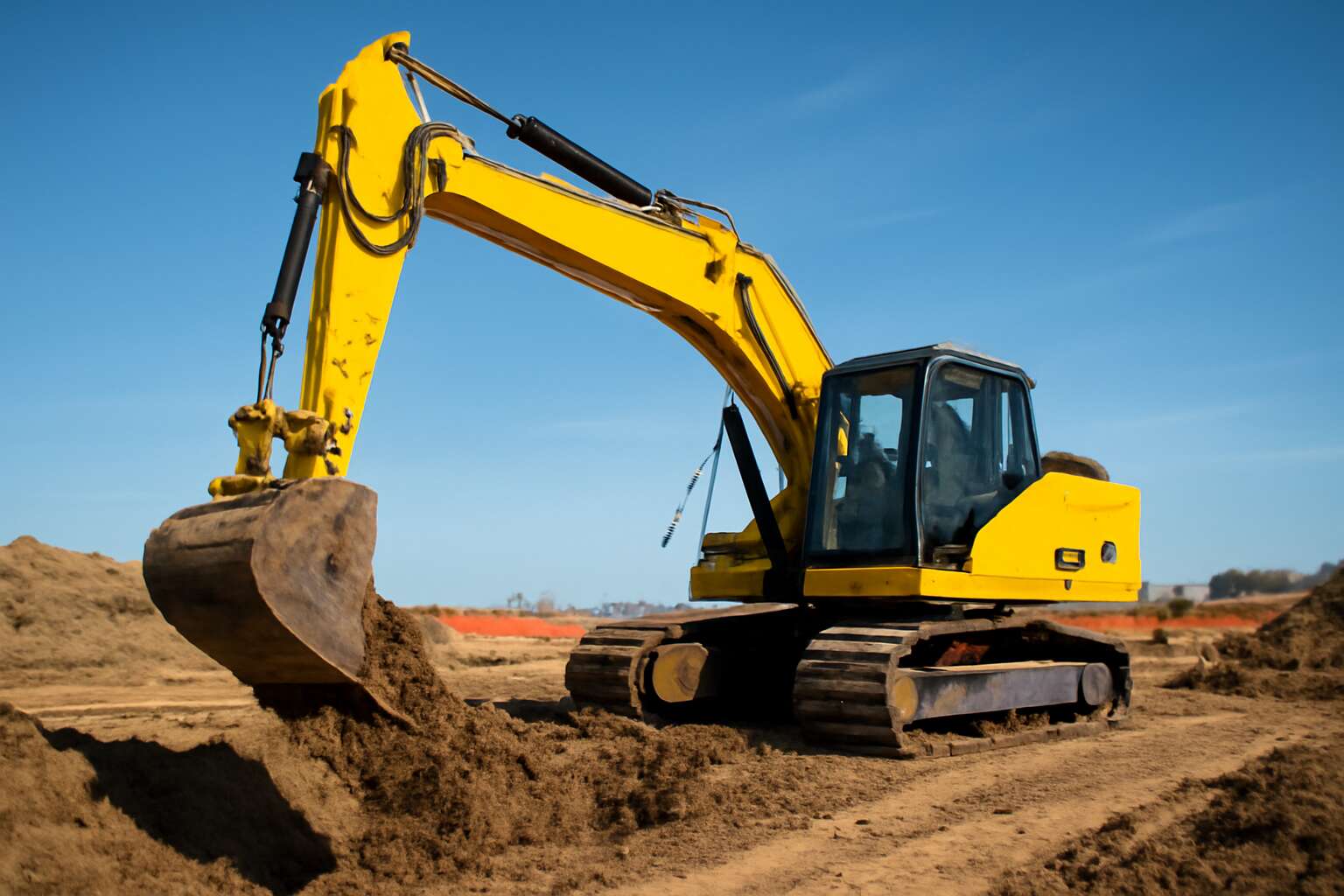
Overview and Key Specifications
Machine weight and operating weight
Overview: On South African job sites, uptime is king—unplanned outages can derail an entire schedule and inflate costs by up to 25%. The excavator 30 ton class is designed to keep pace: rugged undercarriage, efficient hydraulics, and steady power for trenching, lifting, and earthmoving in demanding conditions. Its balance of reach and stability helps operators push through tight spots with confidence.
Key specifications: Machine weight and operating weight. Depending on configuration, the machine weight runs from about 28 to 32 tonnes, while operating weight sits in the 29 to 34 tonnes range. This alignment delivers strong breakout force and reliable lifting capacity without excessive bulk on South Africa’s roadways.
- Machine weight: 28–32 tonnes
- Operating weight: 29–34 tonnes
Dig depth and reach specifications
In the dust-choked theatres of South Africa’s construction scene, every meter of reach writes a new chapter of productivity. The 30-ton class moves with patient poise, turning tight trenches into confident passages and letting operators stay ahead of the clock!
Key Specifications: Dig depth and reach define its versatility. For this 30-ton excavator, dig depth spans roughly 6.5 to 7.5 meters, while the maximum reach stretches from about 9 to 11 meters. We’ve tuned the hydraulics for steady bite and predictable travel on South African sites. These figures, paired with precise hydraulics, empower trenching, foundation work, and bulk earthmoving in confined spaces.
- Dig depth: 6.5–7.5 m
- Maximum reach: 9–11 m
- Digging height: around 8–9 m
This excavator 30 ton embodies the synergy of reach, stability, and enduring performance that South African sites demand.
Engine power and hydraulic horsepower
On South Africa’s dusty job sites, power is a practical asset, not a boast. “Power is the breath of progress,” says a veteran operator, and this excavator 30 ton delivers it with quiet confidence. Engine power and hydraulic horsepower are calibrated for a steady bite and predictable travel, turning stubborn soil into reliable progress.
Overview and Key Specifications: The engine power and hydraulic horsepower drive relentless performance, while the hydraulic system translates that energy into precise movement at trenching and lifting speeds. For this model, harmony between power and control reduces cycle times and keeps projects flowing smoothly on South African sites.
- Steady hydraulic response for trenching precision
- Robust components designed for dusty conditions
- Optimized fuel efficiency for longer shifts
Undercarriage and mobility options
On South Africa’s dusty job sites, momentum is a design feature. This excavator 30 ton blends a rugged, long-travel undercarriage with poised agility, ready to shoulder the day’s toughest moves. A broad track stance keeps stability through trenching and lifting, while sealed components and easy-access panels cut downtime and keep the fleet rolling under relentless sun and grit.
Mobility options include:
- Steel-track undercarriage with deep-grouser pads for harsh terrain and high wear resistance
- Rubber-track alternative for finished surfaces and quieter travel on urban sites
- Adjustable travel speeds and a compact tail swing to maneuver tight job pads
With ground clearance and a balanced base, the undercarriage breathes life into dependable mobility, letting operators glide from trench line to lift zone without missing a beat in the field.
Attachment compatibility and quick couplers
On South Africa’s demanding job sites, uptime and adaptability define performance. A machine like this excavator 30 ton delivers a tangible productivity lift when tool changes happen quickly and without fuss. Its design embraces a broad ecosystem of attachments, built to withstand dust, heat, and long shifts. With a balanced chassis and thoughtful cab ergonomics, operators move from trench line to lift zone with quiet confidence.
Attachment compatibility and quick couplers are the quiet engine behind this flexibility. It supports multiple quick-coupler generations and brands, so tools—from breakers to grapples—slot in with certainty.
- Hydraulic quick coupler for rapid tool changes
- Mechanical pin-grip option for harsh environments
- Brand-agnostic adapters for diverse fleets
Together, they keep the excavator 30 ton ready to respond to shifting jobsite demands under South Africa’s sun.
Performance and Capabilities
Digging reach and maximum depth
On South Africa’s demanding job sites, uptime is not negotiable. “A reliable excavator 30 ton keeps the project moving,” says a veteran operator, underscoring how power and resilience translate into real-world productivity on civil, mining, and infrastructure teams.
In performance terms, the machine delivers a composed hydraulic response, strong breakout force, and predictable cycle rates that help crews meet tight deadlines. The following capabilities often matter most on site:
- Predictable hydraulics for smooth, controlled digging
- Stability across uneven terrain and heavy lifts
- Fast cycle times with efficient power use
From its working envelope to its reach and depth flexibility, excavator 30 ton expands options for trenching, loading, and backstopping movements. Operators appreciate the balanced mix of reach, lift capacity, and precise control, which keeps projects moving in demanding conditions across South Africa.
Lift capacity and breakout force
On South Africa’s roughest job sites, every kilogram of lift counts. A strong breakout force turns digging into cutting, and keeps material moving from trenching to backfilling.
The excavator 30 ton delivers robust lift capacity at practical radii, letting operators place heavy loads with confidence while staying stable. Breakout force translates to efficient rock and dense-soil cutting, speeding up workflows and reducing rework.
- Lift capacity at working radius supports trenching and loading
- Breakout force handles hard material with fewer passes
- Attachment versatility preserves balance and control under load
These capabilities, paired with precise control, help crews meet tight schedules on civil, mining, and infrastructure projects across South Africa.
Hydraulic flow, pump options, and cycle times
Power is in the flow—on South Africa’s roughest sites, the hydraulic heart of the excavator 30 ton decides whether the day is a sprint or a slog. Smooth hydraulic flow keeps the bucket slicing through soil and rock with confident speed, while intelligent pump options tailor horsepower to the task at hand. Cycle times drop when the system blends precise valve control with steady pressure, so trenching and loading feel almost effortless.
- Variable displacement pumps deliver high flow when you need it and conserve fuel when you don’t
- Dedicated pump options optimize power for attachments without destabilizing the machine
- Flow-sharing and pilot controls keep finesse in tight spaces
- Fast, predictable cycle times improve productivity on multi-pass tasks
That combination suits South Africa’s demanding environments, from urban civil works to remote mining corridors, keeping the machine ready for the next shift without drama.
Terrain stability and safety features
On South Africa’s roughest sites, performance wears a crown of terrain stability. The excavator 30 ton moves like a seasoned chieftain—steady on uneven ground, precise in control, and resilient when the going turns treacherous. Its stability systems tame the glare of wind-blasted dust and scooped earth, while intuitive controls translate intention into smooth, decisive action. In the hands of a skilled operator, cycles feel balanced, and the machine remains trustworthy through long shifts and multi-pass tasks.
Terrain stability and safety features empower that trust:
- Active load-sensing hydraulics adapt to ground conditions for consistent lift and reach
- ROPS/FOPS-compliant cab with reinforced guarding
- Speed and travel alarms, anti-slip undercarriage, and emergency stop logic
Fuel efficiency and emissions considerations
On South Africa’s roughest sites, a single litre saved per cycle can swing a month’s bottom line. The excavator 30 ton becomes a patient conductor of power, sipping fuel when the ground accepts it and roaring to life only when intent demands it. In this balance between restraint and reach, performance feels almost deliberate, a measured breath before action.
Emissions controls and intelligent fuel management marry like old friends: Stage V/Tier 4 Final compliant engines, clean aftertreatment, and precise metering that never wastes a joule. The result is a machine that keeps cycle times honest while shrinking its carbon shadow, letting operators focus on the rhythm of work rather than the sting of fuel bills.
- Eco-mode trims engine rpm while preserving cycle speed
- Adaptive flow control and smart idle strategies reduce unnecessary fuel burn
- Advanced aftertreatment with DPF/SCR minimizes emissions on demanding shifts
Quick coupler and attachment handling
Power moves with precision on South Africa’s tough sites, and a quick coupler can be the catalyst. In the excavator 30 ton class, a well-tuned tool change trims idle moments and keeps cycles sharp—one steady rhythm that compounds into real productivity gains.
Attachment handling becomes a choreography: safe latch, effortless release, and tool-free swaps that require less time and fewer personnel near heavy loads. A reliable quick coupler safeguards efficiency, while a broad range of attachments expands the machine’s reach without stepping outside specifications.
Key capabilities support a fast, safe transition between tasks:
- Safe, automatic latch engagement and release
- Tool-free attachment changes for buckets, grapples, and rippers
- Broad compatibility across site-standard attachments
- Low-maintenance hydraulic interface and quick-connection system
For operators, that means predictable cycles and less downtime on every shift—the kind of quiet efficiency that lifts the whole project’s heartbeat.
Cost, Procurement, and Financing
New versus used purchase considerations
Cost isn’t just the sticker price—it’s the long tail of maintenance and depreciation for an excavator 30 ton. In South Africa, uptime and fuel efficiency turn upfront heft into lifecycle value.
Procurement is where risk meets opportunity. Choose a dealer with regional service, quick parts, and clear warranty terms. Proximity and reliable support can save weeks of downtime and protect margins—because margins deserve a long life.
New versus used tops the cash-flow debate. A fresh machine brings warranty and latest tech; a used unit lowers upfront spend but hikes maintenance risk. South Africa-friendly financing options include manufacturer finance, bank loans, or operating leases—each with tax and depreciation quirks.
Rental and long-term leasing options
Cost in this realm is more than the sticker price; maintenance intervals, fuel burn, and depreciation turn a single machine into a long voyage of expenditure. A careful balance between upfront spend and ongoing reliability matters when choosing an excavator 30 ton for tough South African sites where uptime literally keeps doors open.
In the procurement theatre, risk and opportunity mingle. Seek a dealer with regional service reach, transparent warranty terms, and rapid parts flow—because proximity and trust save weeks of downtime and protect margins. For the fleet, the excavator 30 ton becomes a strategic asset when the seller demonstrates a enduring support network.
Financing options in South Africa span manufacturer financing, bank loans, or operating leases, each with its own tax and depreciation quirks. For flexible demand, rental and long-term leasing arrangements can align payments with project cycles while keeping maintenance predictable.
- Manufacturer-backed finance
- Bank lending
- Operating leases
Total cost of ownership and maintenance expenses
Cost is a shadow that lingers long after the bidding has closed. For the excavator 30 ton, the total cost of ownership stretches beyond the sticker price: maintenance cycles, fuel burn, and depreciation quietly accumulate, turning a single purchase into a long voyage of expenditure.
Procurement in this theatre of heavy equipment is a balance of risk and reliability. For the excavator 30 ton, seek a dealer with regional service reach, transparent warranty terms, and rapid parts flow—because proximity and trust save weeks of downtime and protect margins.
- Regional service reach
- Transparent warranty terms
- Rapid parts flow
Financing options in South Africa span manufacturer-backed finance, bank lending, or operating leases, each with its own tax and depreciation quirks. For flexible demand, rental and long-term leasing arrangements can align payments with project cycles while keeping maintenance predictable for the excavator 30 ton.
- Manufacturer-backed finance
- Bank lending
- Operating leases
Warranty, service contracts, and aftermarket support
A single excavator 30 ton can set the tempo of a project, yet the true score is written in the total cost of ownership—the maintenance cadence, fuel burn, and depreciation that accumulate long after the bid is sealed.
Procurement in heavy equipment is a balance of risk and reliability. For this machine, seek a dealer with regional service reach, transparent warranty terms, and rapid parts flow.
Here are service contract features:
- Warranty coverage and transferability
- Fast on-site response times
- Parts availability and regional reach
- Telematics support and preventive maintenance scheduling
Financing options in South Africa span manufacturer-backed finance, bank lending, or operating leases, each with tax quirks. Rental and long-term leasing align payments with project cycles and maintenance.
Aftermarket support is the quiet backbone, with rapid spare parts access, trained technicians, and upgrades that keep productivity dancing long after the warranty.
Financing terms, interest rates, and payment schedules
Across South Africa’s earthworks tempo, every rand tells a story. An excavator 30 ton can redefine the schedule when uptime stays high and fuel burn stays lean—it’s the quiet catalyst behind a tight bid and a steady crew.
Cost isn’t fixed at the sales yard. It folds depreciation, maintenance cadence, and downtime risk into a single line item. For procurement, seek dealers with regional service reach, transparent terms, and rapid parts flow; align the purchase with your project’s cash rhythm.
- Manufacturer-backed finance
- Bank lending
- Operating leases
Financing terms vary by lender. Expect 12-72 month terms, fixed or variable rates, and down payments around 10-20%. For an excavator 30 ton, you can tailor payment schedules to milestones, with residuals or balloon options if you prefer.
Depreciation and tax incentives by region
On a South African job site, every rand tells a story. Across SA, uptime is worth more than gold: a 1% improvement can save tens of thousands. The cost of an excavator 30 ton isn’t fixed at the yard; it folds depreciation, maintenance cadence, and downtime risk into one line item that echoes long after the engine cools.
Procurement focuses on support as much as sticker price. Seek dealers with a broad service network, clear terms, and a reliable parts supply; a well-supported unit stays productive when the schedule tightens.
Financing depreciation and tax incentives vary by region. In South Africa, plant and machinery allowances shape the long-term cost of ownership; elsewhere, regimes differ in how quickly you can write down value and recover VAT, affecting cash flow.
- Depreciation schedules and write-offs
- Tax credits or grants for equipment investment
- VAT treatment and regional incentives for capital equipment
Maintenance, Service, and Longevity
Routine maintenance checklist and intervals
A well-kept machine is a quiet profit guardian. Downtime is the hidden budget killer, and a solid maintenance routine can cut unplanned downtime by up to 30%. For the excavator 30 ton, maintenance is more than oil changes—it’s a philosophy guarding uptime and value.
Routine care rests on simple rhythm: daily checks, weekly lubrication, monthly system reviews, and quarterly inspections. Adhering to these intervals keeps the heart of the machine strong without overcomplicating operations.
- Daily visual inspections of safety systems and fluid levels
- Weekly lubrication of pins, undercarriage, and slew bearings
- Monthly checks of filters, coolant quality, and battery health
- Quarterly engine and hydraulic system overview with OEM service intervals
Partnering with a reliable service network, using genuine parts, and keeping thorough records turns wear into predictable performance. In South Africa’s sites, longevity matters as much as power, keeping the excavator 30 ton productive.
Lubrication, wear parts, and component life
On busy South African sites, a dependable excavator 30 ton feels like a heartbeat—steady enough to power progress, quiet enough to protect the budget. Smart maintenance can cut unplanned downtime by up to 30%, turning hours on site into solid productivity. Longevity hinges on lubrication, wear parts, and component life as one discipline.
Here are longevity levers:
- Precise lubrication of pins, undercarriage, and slew bearings in the excavator 30 ton to minimize friction and heat.
- Timely replacement of wear parts—buckets, teeth, and grousers—aligned to OEM guidance.
- Monitoring component life through service records to anticipate seals, hoses, and hydraulic components.
- Protection of the cooling system and filtration to preserve hydraulic efficiency and engine health.
Partnering with a reliable service network, using genuine parts, and keeping thorough records turns wear into predictable performance. In South Africa, it stays productive amid dust, heat, and tough terrain.
Diagnostics, remote monitoring, and telematics
On South African sites, uptime is currency. An excavator 30 ton on a dusty, sun-baked jobsite needs a steady heartbeat—reliable, quiet, and ready to roll. Smart maintenance can cut unplanned downtime by up to 30%, turning hours on site into solid productivity.
Maintenance, Service, and Longevity Diagnostics, remote monitoring, and telematics turn raw data into confident decisions. Here’s what to expect:
- Real-time health dashboards tracking engine, hydraulics, and undercarriage wear
- Predictive maintenance alerts that schedule service before faults strike
- Digital service records that map wear parts to lifecycle stages
With a reliable service network and genuine parts, wear is transformed into predictable performance, even amid dust and heat. The machine stays resilient when data guides maintenance rather than guesswork.
Scheduled component replacement and lifecycle planning
On South African sites where dust and heat conspire against uptime, a single idle hour eats into profit. The excavator 30 ton must ride the line between power and patience, with scheduled component replacement guiding every move. Lifecycle planning turns guesswork into a precise roadmap: when a part reaches its expected life, it is replaced before it falters. A quiet heartbeat under the cab becomes your competitive edge.
- Lifecycle-based replacement windows driven by hourly usage and observed usage patterns
- Staged maintenance calendar to align with production cycles
- Documentation that traces each part through its service window
With a disciplined approach and a local network of support, longevity becomes predictable, almost inevitable when practice meets precision. The workday ends with confidence, knowing this machine is built to endure.
Common issues, troubleshooting, and repairs
On South Africa’s dust-choked sites, uptime is a premium; a mere hour of idle time costs more than a latte a day. The excavator 30 ton demands discipline: maintenance that keeps power steady and longevity credible.
Maintenance, service, and longevity hinge on recognizing common issues before they bloom into downtime. Expect hydraulic leaks, cooling system strain, and sensor faults to announce themselves with a quiet groan under the cab. Troubleshooting leans on observation and experience, not guesswork.
- Hydraulic leaks at seals
- Cooling system overheating
- Electrical sensor faults
Repairs, when timely, preserve the machine’s dignity and your margins. A disciplined approach—regular lubrication, seamless parts replacement, and mindful cab comfort—lets the excavator 30 ton stay a steadfast workhorse, even when the Johannesburg heat gnaws at morale.
Dealer network, parts availability, and service accessibility
In the dark glow of SA construction sites, maintenance becomes ritual. The excavator 30 ton relies on a dependable dealer network that threads from Johannesburg to the coast, keeping parts within reach and technicians at a moment’s notice. Genuine components extend life and confidence.
- Regional parts hubs ensure fast replacements for hydraulic seals, filters, and wear parts
- Authorized service centers stocked with genuine components and calibration gear
- Mobile field technicians offering on-site diagnostics and rapid repairs
Service accessibility is more than distance—it’s response time. The right network turns a potential bottleneck into a predictable rhythm, where trained crews arrive with spares, know the machine’s quirks, and help the excavator 30 ton stay the site’s steadfast workhorse, even when the veld flares with heat.
Applications and Industry Use Cases
Construction, earthmoving, and site development
On South African sites, about 40% of project time is swallowed by earthmoving, so the right gear can make or break a schedule. The excavator 30 ton arrives with the quiet confidence of a workhorse that knows the terrain.
Applications span construction, earthmoving, and site development, where efficiency, reach, and stability matter most. They are deployed for foundations and basements, trenching and utility runs, and bulk earthworks that shape the skyline.
- Bulk earthworks for foundations and basements
- Trenching and utility installations (water, power, fibre)
- Material handling, loading, and stockpile management on sites
Coupled with smart attachments and precise hydraulics, this size handles tight urban corridors and open rural works alike, turning ambitious plans into level ground and confident progress.
Mining, quarrying, and material handling
On South African sites, earthmoving chews up around 40% of project time, so the right machine decides whether a schedule breaks or makes it to the finish line. The excavator 30 ton arrives with the quiet confidence of a workhorse that knows the terrain and doesn’t complain about dust or heat—just gets the job done.
In mining, quarrying, and material handling, efficiency, reach, and stability matter most. The excavator 30 ton excels at loading blasted rock, trenching for utility runs, and reshaping stockpiles without turning the site into a shoreline of mud. With smart attachments and precise hydraulics, it negotiates tight corridors and open yard spaces alike, turning ambitious plans into solid ground and steady progress.
- Mining pit loading and ore transfer
- Quarry benching, overburden removal, and aggregate handling
- Bulk material handling and stockpile management on sites
Utilities, wind farms, and infrastructure projects
On South African sites, earthmoving chews up around 40% of project time, and the right machine can flip that script. The excavator 30 ton arrives with quiet confidence—ground-traveling translator between a muddy plan and a firm finish. For utilities, wind farms, and infrastructure projects, this workhorse is more than muscle; it’s a strategic ally that can negotiate confined corridors and open yards with equal aplomb!
Key use cases include:
- Utilities and grid connections: trenching, duct banks, and substations access.
- Wind farm construction: turbine foundations, access roads, and crane pads.
- Infrastructure projects: road, pipeline, and rail corridor development with minimal site disruption.
From urban upgrades to remote wind projects, this workhorse keeps sites on track, budgets intact, and schedules moving with a confident grunt.
Urban construction and confined spaces considerations
In South Africa’s tightening urban buildouts, earthmoving chews up about 40% of project time. The excavator 30 ton emerges with quiet confidence—a compact powerhouse that lugs through congested sites without turning a city block into a battlefield.
Applications in urban construction and confined spaces demand not just brute force but grace: precise reach, controlled cycles, and the ability to maneuver around utilities and tight corners.
- Urban construction and confined spaces demand precision in trenching, duct banks, and limited access corridors where every meter counts.
- Infrastructure corridors: roads, rails, and utilities call for minimal surface disruption and stable operation on uneven ground.
- Noise and vibration considerations: quiet operation helps compliance with local policies while protecting nearby structures.
From municipal upgrades to remote wind projects, this workhorse keeps schedules moving and budgets intact, proving that power can be discreet and dependable.
Safety compliance, operator training, and best practices
In South Africa’s tightening urban canvases, earthmoving chews up about 40% of project time. The excavator 30 ton moves like a shadow with purpose—compact, steadfast, and unafraid to slip through crowded plots. It thrives in trenching, duct banks, and narrow corridors, where every meter counts and quiet efficiency keeps city life uninterrupted.
Safety compliance is the pulse of its daily rhythm. Operators train in controlled cycles and site-specific clearances, turning hazards into choreographed moves. A disciplined tempo—safety first, always!
- Pre-start inspection routines and fault reporting
- Certification and ongoing competency refreshers for operators
- Noise, vibration mitigation, and PPE adherence on busy sites
Best practices flow from discipline, clear communication, and a calm readiness to adapt. Integrated diagnostics and telematics monitor hydraulic cycles and wear, turning data into steadier uptime.


0 Comments