Understanding Excavators and Their Role
Anatomy of an Excavator
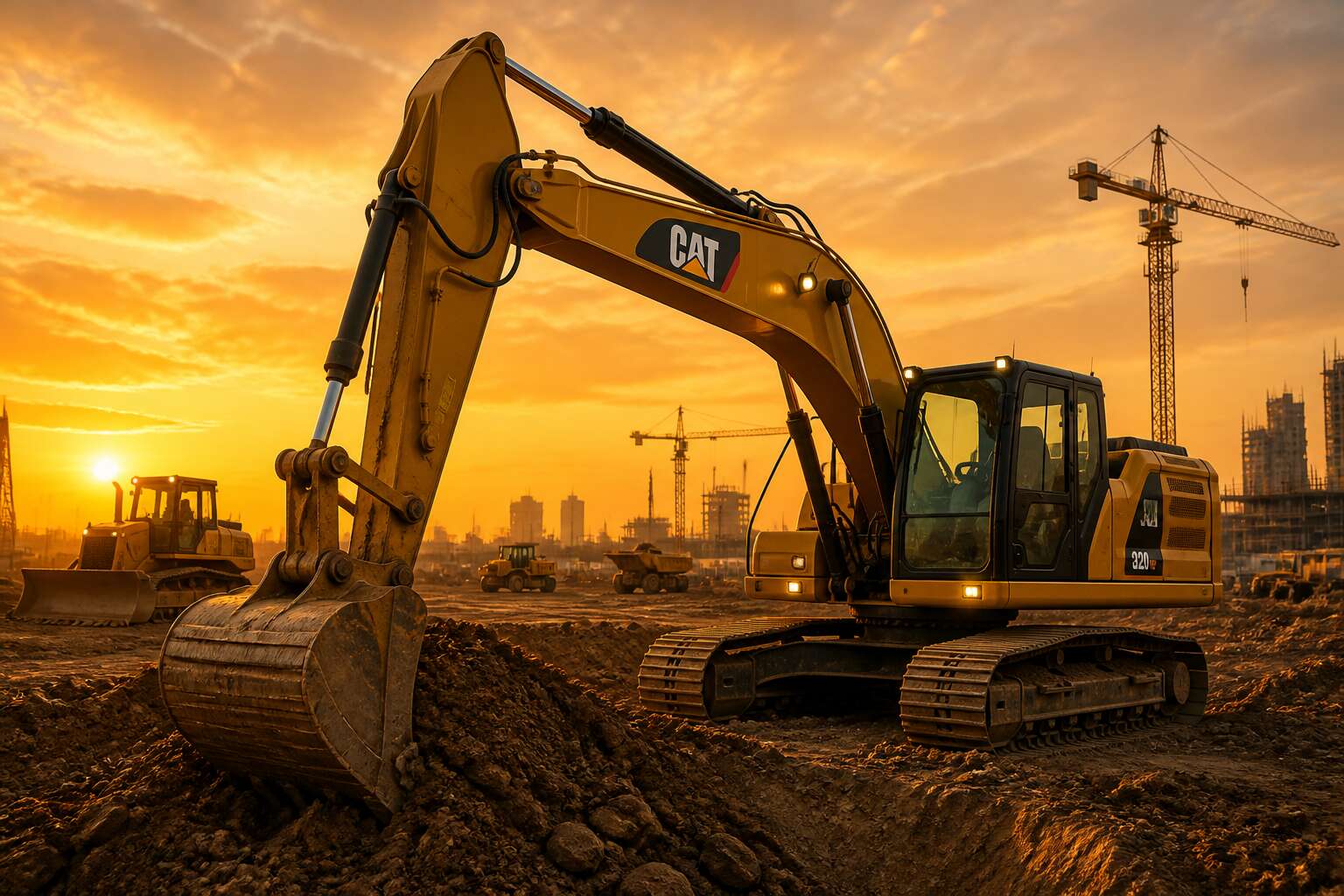
One excavator operator moves three hundred tonnes of earth per shift. That output depends on the machine’s anatomy, the same design used in excavator and other machinery across South Africa. An excavator is a counterweighted lever on tracks. The undercarriage, built from steel or rubber tracks, spreads the machine’s mass over soft ground. The cab sits on a rotating platform that spins 360 degrees, so the operator never moves the tracks to face the load.
The working end has three linked pieces: the boom, the arm, and the bucket. The boom lifts and lowers the arm. The arm extends and retracts. The bucket bites into the earth. A hydraulic cylinder drives each joint, and the engine pumps fluid through the system to generate force.
- Swing motor for rotation
- Final drives for track movement
- Main control valve for oil flow
- Counterweight for balance
Every component depends on the others. A failure in the final drive stops the machine as surely as a cracked boom. That is why knowing the anatomy is the first step to keeping your fleet productive.
Common Excavator Types
Nobody rents a 30 ton excavator to plant a rose bush, and yet I have seen it happen. Understanding the role of the machine is the first filter. Excavators dig, load, lift, and break, and the role depends on the attachment and the ground beneath the tracks. In South Africa, that means choosing between excavator and other machinery that share the same yard but not the same purpose.
Common excavator types follow a practical logic. Crawler units handle mud and rubble. Wheeled units move quickly on paved surfaces. Mini excavators work inside buildings and between walls. Long reach models extend across rivers and into deep trenches.
- Crawler excavators for stability on soft ground
- Wheeled excavators for speed on hard surfaces
- Mini excavators for confined spaces
- Long reach excavators for deep or distant work
Each type trades one strength for another. The operator does not adapt the machine to the job; the buyer selects the type that fits.
Excavator Applications in Construction
Excavators shape the ground before anything else on site moves. In South Africa, that work spans trenching for water lines in Gauteng to bulk earthworks along the Cape coast. The machine’s role shifts with each attachment, but the constant is material removal. A bucket digs, a breaker fractures, a grapple sorts. Every pass feeds the next stage of construction.
Selecting between an excavator and other machinery comes down to the material cycle on your project. We see this constantly on South African sites. A wheel loader moves spoil, a dozer levels it, and an excavator places it precisely. They are not interchangeable. The excavator’s reach and articulation allow it to work around obstacles that stop rigid frames.
- Trenching and pipe laying in urban corridors
- Demolition and selective dismantling
- Loading trucks in mining and quarry operations
Each application demands different hydraulics and undercarriage weight. Contractors in South Africa match the machine to the ground, not the other way around.
Excavator Operating Techniques
Operating technique separates productive hours from idle ones on any South African site. The operator’s hands on the joysticks set cycle times, fuel burn, and machine wear more than the engine does. Skilled operators feel the bucket bite through hydraulic resistance and adjust before the machine stalls. Poor technique shows up as spilled loads and overrevved engines.
The relationship between excavator and other machinery depends on this precision. A wheel loader pushes across the face, a dozer spreads the spoils, but the excavator works around obstacles with a swing and reach that rigid machines cannot match. When I watch a seasoned operator work, I see the technique in action.
The core techniques:
- Feathering the joystick to control bucket curl
- Timing the swing to keep the load stable
- Setting the undercarriage before the dig begins
These small corrections separate clean excavation from constant rework!
Excavator Safety Protocols
The excavator and other machinery share the same ground but not the same sightlines. On a South African site, an operator in a cab sees the bucket, not the spotter standing behind the counterweight. Industry insurers report that most machine incidents happen within that invisible zone.
Understanding that limitation shapes every safety protocol. Safety begins before the engine turns over:
- Walk the perimeter to map blind spots
- Confirm the swing radius is clear of personnel
- Set the slew brake before any lift
The excavator and other machinery must move in predictable arcs. Radio discipline and hand signals connect what the operator sees with what the ground crew knows. I have watched crews skip these steps for the sake of a deadline, and the results never vary. It is not about instinct; it is about systems that hold up in the noise and dust of a Joburg afternoon.
Beyond Excavators: Essential Construction Machinery
Bulldozers and Dozers
On a South African construction site, the dozer often goes unnoticed, but its role is foundational. Before an excavator and other machinery arrive, the bulldozer clears vegetation, pushes topsoil, and levels the terrain into a usable platform. Without this first step, every subsequent operation would be less effective.
Modern dozers carry a ripper at the rear, which breaks up compacted gravel or weathered rock. Tracked undercarriages provide stability on loose slopes, while wheeled models offer speed across firm ground.
Common blade types include:
- Straight blades for fine grading
- Universal blades for moving bulk material
- Angle blades for pushing spoil sideways
This is a machine that reshapes the land itself, not by digging, but by relentless pushing and grading.
Loaders and Backhoes
Walk onto any South African site and you will hear the backhoe before you see it. That sharp pneumatic thud is the hammer breaking rock, and it signals progress! The backhoe loader is the workhorse of small to medium projects, often working alongside the excavator and other machinery to keep trenches open, pipes laid, and materials stockpiled.
What sets a backhoe apart is the dual configuration. The digging arm at the rear handles excavation, while the front bucket loads spoil, sand, or rubble. On tight suburban plots, this versatility reduces the need for multiple machines. Loaders excel at volume. They push, carry, and pile material across large distances, and their articulation allows sharp turns in confined spaces.
I have watched a skilled operator load a tipper truck in three passes, a rhythm that keeps the whole site moving. That efficiency is why loaders and backhoes remain essential, even as excavator and other machinery technology advances.
Cranes and Lifting Equipment
In 2023, South Africa imported over R4 billion worth of cranes. That figure shows how heavily local construction depends on lifting equipment. While an excavator and other machinery shape the ground, cranes manage what gravity makes difficult.
Mobile cranes move between sites with ease, setting steel beams and positioning HVAC units on rooftops. Tower cranes rise with the buildings they serve, offering reach that ground-based machines cannot match. Rigging crews receive less attention, yet their slings and shackles carry the entire load.
- Crawler cranes suit soft terrain and heavy lifts
- Truck-mounted cranes balance mobility and capacity
- All-terrain cranes handle both speed and rough ground
On many projects, the excavator and other machinery clear the footprint, and then the crane takes over.
Concrete Mixers and Pavers
The crane sets the steel, but the concrete mixer answers a different call. It holds the wet mass that will outlast the workers, the site, and even the machines themselves. On a South African project, the excavator and other machinery prepare the ground, but the mixer brings the material that binds it all together.
Pavers then take that grey slurry and lay it down into roads, factory floors, and foundations. They do not reach for the sky. They press into the earth, sealing the footprint of the job.
- Transit mixers keep the concrete moving between plant and pour.
- Slipform pavers shape continuous slabs without fixed forms.
- Asphalt pavers spread the hot, dark surface of our highways.
Once the pour settles, the site becomes permanent. The excavator and other machinery move on to the next excavation, but the concrete remains. It is the quiet end of the construction cycle.
Compactors and Rollers
Before that permanence arrives, the ground must be prepared. One cubic metre of uncompacted fill can settle by ten percent. Compactors and rollers prevent that settlement. They press soil and aggregate into a stable base. On any site, the excavator and other machinery move earth, but these machines create reliability. Consider the common types:
- Smooth drum rollers for granular soil.
- Sheepsfoot rollers for clay.
- Pneumatic tyred rollers for asphalt.
- Vibratory plates for confined areas.
Without compaction, a road develops cracks within a year. I have seen operators work these machines with patience, circling until the ground holds.
Specialized Attachments and Tools
A single hydraulic hammer can do the work of six labourers with jackhammers. That is the real power of attachments. The machine is only a base. A bare excavator and other machinery move earth, but attachments define what they can achieve. A tiltrotator angles a bucket without repositioning tracks. Grapples sort scrap and demolition waste. Augers bore foundation holes.
The most useful attachments include:
– Hydraulic breakers for rock and concrete
– Compaction wheels for trench work
– Quick couplers to swap tools in seconds
– Rippers for hard or frozen ground
South African operators know that the excavator and other machinery earn their keep when they adapt. A machine waiting for a different tool is a cost, not an asset. I have seen crews lose an entire afternoon because they lacked a simple quick coupler. The correct attachment changes that equation. Time on site is money.
Choosing the Right Equipment for Your Project
Assessing Project Requirements
According to the South African Construction Industry, nearly 40% of equipment inefficiencies stem from poor project planning. Before you rent or buy any excavator and other machinery, you need to answer several questions about your site.
Begin with the physical environment. Is the ground rocky or waterlogged? That alone changes your power needs. Then look at the project scale. A small residential dig demands a compact machine, while a large mining operation requires heavy hauling capacity.
Evaluating project requirements also means thinking about logistics:
– Space for maneuvering and turning
– Proximity to fuel and maintenance services
– Transport costs for moving the equipment to site
I have seen too many crews overcommit to a massive unit that cannot even enter the gate. Matching the machine to the actual job saves time and keeps budgets intact.
Comparing New vs. Used Machinery
Choosing between new and used equipment changes your financial risk. New machines offer factory warranties and advanced telematics, but they carry steep depreciation. Used units command lower entry costs, yet they demand a rigorous inspection of undercarriage and hydraulic systems.
Consider the life cycle. A hire fleet that runs 2,000 hours yearly may justify buying new. A contractor moving earth for a single season might buy a pre-owned unit and still profit.
The decision hinges on your balance sheet. The cheapest excavator and other machinery on the lot can turn costly if it stalls mid-project. Total cost of ownership is a better measure than the purchase tag.
Rental vs. Purchase Considerations
Renting or buying depends on the rhythm of your job site. A short trenching contract rarely justifies owning an excavator and other machinery outright. Rental costs are predictable, and the supplier handles breakdowns. Purchase builds equity over years. In South Africa, where project timelines fluctuate with seasons, flexibility often beats ownership. I have watched contractors lose money on idle machines. Consider your cash flow and storage space. If your fleet sits idle for months, rental wins. If you work steadily, ownership stabilises long-term expenses. Weigh these factors:
- Rental includes maintenance and replacement parts.
- Purchase demands capital upfront and insurance.
Your choice shapes operational risk. Selecting the right excavator and other machinery requires matching the option to your project’s duration and your balance sheet.
Budgeting for Heavy Equipment
Budgeting for heavy equipment begins with the ground you intend to break. A project in Gauteng’s clay soils demands more horsepower than a sandy Cape Town plot. I have seen contractors inflate their budgets by choosing a machine based on dealer incentives rather than site reality. Match the excavator and other machinery to the material, the depth, and the daily tonnage you must move.
Set a ceiling before you negotiate. Include fuel, transport, operator wages, and wear items in that number. Equipment choice flows from the budget, not the other way around. The right excavator and other machinery combination reduces idle time and keeps your cost per cubic metre predictable.
Keep the assessment honest with a simple checklist:
- Measure the job’s peak workload
- Compare hourly operating costs
- Reserve 10 percent for unexpected repairs
When the numbers align, the machine performs. When they do not, the project loses money steadily.
Evaluating Machine Specifications
The machine that looks right on paper can be the one that stalls you in the mud. Power ratings tell only part of the story. Specs like cycle time, breakout force, and reach define how well an excavator and other machinery will perform against your actual site conditions. A Limpopo site with dense, rocky ground demands hydraulic force over raw horsepower. A cramped urban site in Durban asks for a compact radius and precise swing control.
Match the numbers to the job’s physical limits, not the brochure’s promises. Consider the following when evaluating specifications:
– Cycle time, which tells you how fast the machine moves material
– Breakout force, which shows how easily the bucket penetrates hard ground
– Operating weight, which affects stability and transport costs
– Cab visibility and control ergonomics, which influence operator fatigue
– Service intervals and parts availability for your specific region
Specification sheets rarely expose the full picture. Real-world conditions involving angle of repose, moisture content, and depth ratios require a machine that flexes beyond its base ratings. The right excavator and other machinery combination will forgive a sloppy operator, while a poorly matched one punishes even the most experienced hand. That difference shows up in your daily production numbers, not in the theoretical maximums printed in the manual. Choose the machine whose specs, when tested against your project’s unique constraints, deliver steady, predictable output.
Maintenance and Operational Best Practices
Preventive Maintenance Schedules
Miss one service interval on an excavator and other machinery, and a South African site can stop completely. Preventive maintenance schedules turn that risk into a routine. They are the practical core of operational best practices.
Track oil changes, hydraulic fluid, and filter swaps by engine hours. Daily walkarounds for leaks and loose bolts catch problems before they spread.
- Check coolant levels before startup
- Grease pins and bushings every 10 hours
- Inspect tracks and undercarriage for wear
I’ve seen these habits reduce downtime during rainy season. Machines that follow a strict schedule outlast those that don’t. That is the whole point.
Common Wear Parts and Replacement
Pins, bushings, and bucket teeth are the first components to fail on excavator and other machinery. They handle constant friction and impact, wearing down in ways oil analysis cannot predict. A worn bushing on a South African site does not announce itself with a warning light. It simply produces a slower cycle time and a telltale clunk that operators learn to ignore.
Track links stretch. Cutting edges dull. Hydraulic hoses develop microcracks that wait for the worst possible moment to fail. Replacement intervals depend on material abrasiveness, operator habits, and whether anyone actually checks wear indicators. On well managed sites, component thickness and pin play are measured during regular service. Bucket teeth that are rotated before they sharpen to a dangerous point last far longer, since a half millimeter of slop multiplies stress across the entire boom assembly. I have watched a single neglected pin turn a smooth running machine into a rattling liability.
Fuel Efficiency and Emission Standards
Fuel is the quiet budget killer on any South African site. A mid-sized excavator burns roughly 15 to 20 litres per hour under load, and idling for a third of the shift adds thousands of rands in wasted diesel each month. Emissions standards tighten every year, yet older machines keep working because replacement is expensive. That makes operational habits matter more than machine age.
The biggest lever is idle reduction. Operators who shut down during brief pauses, rather than letting the engine run, cut fuel use by double digits. Matching engine speed to the task also helps.
- Use eco mode when digging light material
- Plan haul routes to minimise reverse travel
- Service air filters on schedule to protect combustion
For excavator and other machinery, emission compliance depends on clean combustion. A clogged filter or worn injector raises particulate output and fuel bills together.
Operator Training and Certification
Operator training and certification are not paperwork exercises. For excavator and other machinery, they shape how people handle controls, read ground conditions, and respond to stress. A certified operator understands that every lever movement transfers force through steel, hydraulic fluid, and eventually the undercarriage.
Pre shift inspections separate good sites from chaotic ones. Operators check hydraulic oil levels, look for loose bolts, and listen for unusual sounds. A small leak ignored on Monday becomes a hydraulic pump failure by Friday!
- Complete a walk around inspection before every shift
- Verify attachment locking mechanisms are secure
- Report any warning light immediately
Excavator and other machinery deserve operators who respect mechanical limits. South African training providers teach these habits. The best investment you can make is a certified operator who follows procedure.
Troubleshooting Common Issues
When something feels off in excavator and other machinery, the operator’s instincts often find the truth before any sensor does. A sluggish boom or a slight vibration across the floorplate tells a story. The best practice is to pause, isolate the variable, and test one system at a time. Hydraulic oil that smells scorched points to aeration. Track tension that makes the drive sprocket whine needs adjustment. These are not mysteries. They are mechanical conversations.
Consider the sequence that solves most midday failures:
- Check fluid levels and filters first, since starvation mimics many faults.
- Inspect hoses for soft spots or weeping, especially near swivel joints.
- Listen for cavitation under load, a sound that means air is entering the suction line.
Quick diagnosis keeps the job moving. A machine that stalls on a slope may have a blocked breather, not a failing engine. The excavator and other machinery on your site will forgive a patient operator long before they forgive a hasty one. Respect the rhythm between a fault and its fix, and you shorten every day that ends with a tow truck.
Future Trends in Heavy Machinery
Automation and Remote Control
In South African mines, autonomous haul trucks have moved over two billion tonnes without an operator behind the wheel. That statistic signals where the industry is heading. The excavator and other machinery will soon manage their own cycles, diagnose faults, and request maintenance before breakdowns occur.
Control rooms are moving from dusty pits to city offices. Operators in Johannesburg watch real-time telemetry and adjust routes remotely. For the excavator and other machinery, this shift keeps people clear of danger.
Future systems will rely on:
- Mesh networks linking every machine
- LiDAR and radar fusion for all-weather detection
- Edge computing for split-second decisions
Remote control is already here, but full autonomy is a phased process. Northern Cape sites are testing semi-autonomous loading cycles. One operator can supervise multiple units from a single console, and the workforce moves toward tasks needing human judgment.
Electric and Hybrid Machines
The rumble of diesel engines is fading across South African open pits. Electric drivetrains have moved beyond prototype stages. Manufacturers now ship production models with battery packs sized for full shift cycles.
Hybrid systems offer a bridge where charging infrastructure lags. An excavator and other machinery fitted with diesel generators and electric swing motors can cut fuel use by a quarter. Regenerative braking recaptures energy once lost as heat.
Some mines are testing hydrogen fuel cells for haul trucks. These refuel quickly and emit only water. Production and transport of green hydrogen remain the bottlenecks.
Key developments include:
– Lithium iron phosphate batteries for better thermal stability
– 800 volt architectures reducing charging time
– Battery health telemetry across entire fleets
Remote sites in the Karoo may rely on hybrid power for years. For the excavator and other machinery, the trend points to quieter, cleaner job sites.
Telematics and IoT Integration
On a South African worksite, a single excavator and other machinery connected through IoT now broadcasts its own health data. The old method of waiting for a breakdown is gone! Instead, predictive algorithms flag a failing hydraulic pump days before it seizes, saving production schedules and preventing major damage.
Fleet managers are moving beyond simple GPS locations. The true value lies in the granular detail. Operators see exactly where inefficiencies creep in:
- Idle time percentages that directly translate to fuel waste
- Load weights on every bucket cycle to prevent overstrain
- Vibration signatures that forecast bearing wear
- Geofencing alerts that keep assets on sanctioned paths
For sites from Gauteng to the Northern Cape, this connectivity means less unplanned downtime. The excavator and other machinery become sources of actionable intelligence rather than passive steel. That data is reshaping maintenance schedules and operational planning. By monitoring sensor data remotely, teams can dispatch service engineers before a machine stops working entirely, which is crucial for remote projects.
Safety Innovations
In South African mining and construction, the next safety leap comes from machines that watch us as much as we watch them. Proximity detection systems now create invisible barriers around an excavator and other machinery, alerting operators when a worker steps too close.
Artificial intelligence processes camera feeds in real time to spot missing PPE or unsafe postures. Fatigue monitoring sensors in the cab track operator alertness, triggering alarms before a lapse becomes a collision.
- Wearable tags on workers communicate with machine sensors
- Automated emergency braking activates in high risk zones
- Geofenced speed limits adjust based on site conditions
These innovations shift safety from reactive rules to predictive protection, keeping every person and every excavator and other machinery in sync on sites from Mpumalanga to the Western Cape.
Sustainable Construction Practices
By 2030, the South African built environment must answer for every ton of carbon it emits. The excavator and other machinery on site will become tools for material stewardship. Future machines will feature hydrogen combustion engines and closed-loop hydraulic systems that recycle energy, but the bigger change lies in how we plan the job itself.
Sustainable construction practices now treat excavation as a resource recovery operation. Topsoil is stripped and stored for reuse. Demolition waste feeds on site crushers. The excavator and other machinery become mobile sorting plants, separating concrete, steel, and timber for immediate reintegration.
- Dynamic route planning to cut idle time and fuel burn
- On site biofuel production from organic waste streams
- Modular components designed for disassembly and reuse
These trends will not arrive as a single invention. They will emerge as a set of operational habits, embedded in every machine’s control system and every operator’s daily rhythm. The future is not a new excavator model; it is a new relationship with the ground we dig.


0 Comments