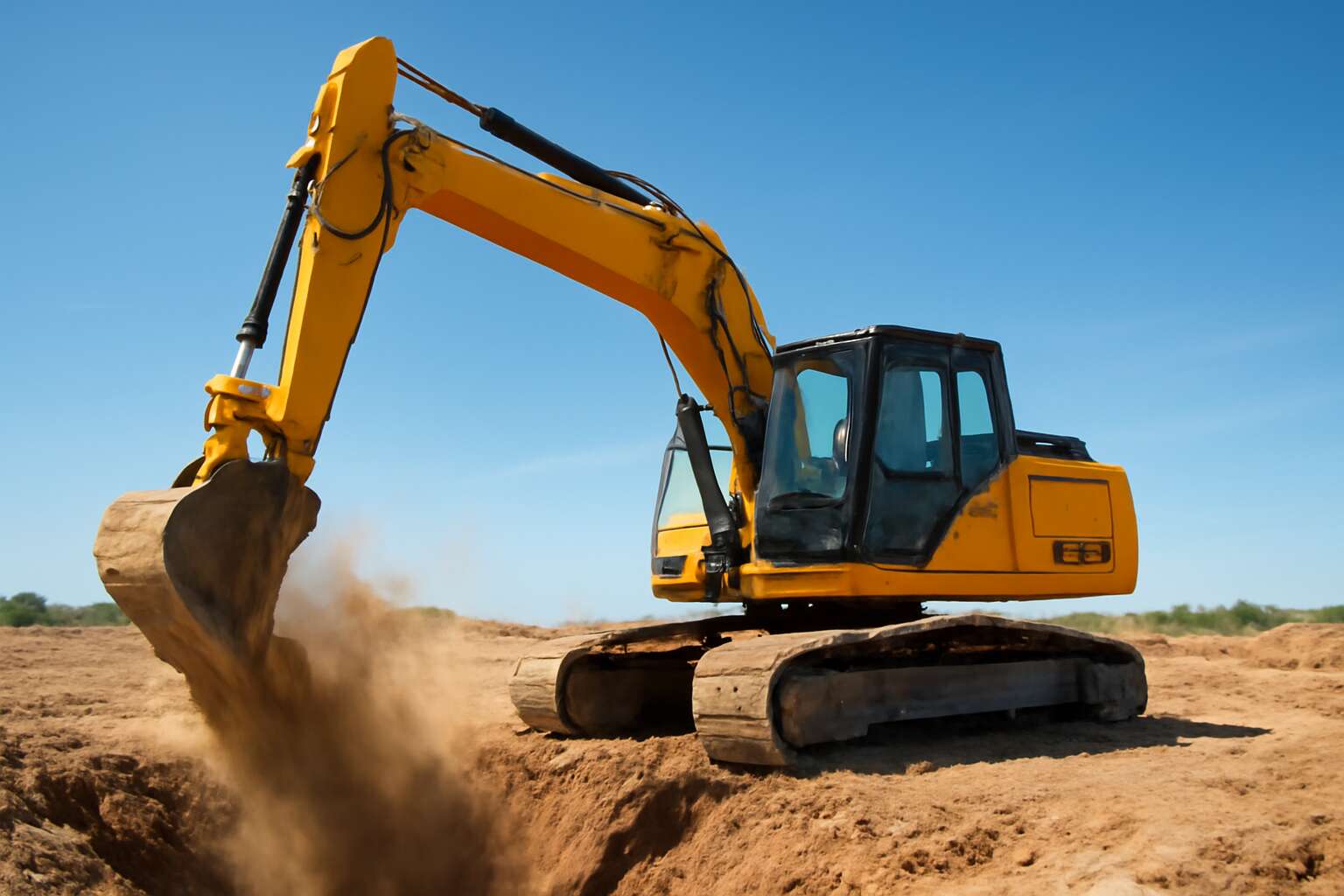
Comprehensive guide to excavator selection and performance
Specifications and model variants
Power and precision ride hand in hand for the excavator 140, turning rough terrain into a canvas of progress. In South Africa’s demanding sites, the right model can shave hours off a job and turn dust into steady momentum. In recent site runs, operators report up to a 12% uptick in uptime when the fit matches the task.
This comprehensive guide to selection and performance: evaluate engine power, hydraulic flow, reach, and stability across model variants, then balance capacity against fuel efficiency. The excavator 140 lineup offers variants tuned for compact spaces or heavy reach, keeping operators confident from dawn to dusk.
- Engine power and fuel efficiency variations within the 140 family
- Reach, digging depth, and swing radius to suit tight sites
- Attachment compatibility and operator visibility across model variants
Each choice threads cost, capability, and comfort into a single instrument of discovery.
Worksite performance and efficiency
Powerful hooks and hard data collide on South Africa’s toughest sites: uptime can jump by up to 12% when the fit is right. The excavator 140, handled by an experienced operator, turns rough terrain into a steady rhythm of progress—no drama, just predictable performance.
Think of this guide as a practical compass for worksite performance and efficiency. Balance, not bravado, governs choices—fuel consumption against capacity, reach against space, and stability against fatigue for the operator.
- Matching duty cycle to site size
- Attachment readiness and visibility
- Operator comfort and controls responsiveness
That approach often reduces pauses, helps momentum stay steady, and makes the ledger sing a little differently at payday.
Durability, maintenance, and aftersales
Across South Africa’s stubborn terrain, a single truth endures: the right partner keeps the night from falling. I watch the excavator 140 move with a measured regard for the earth, a specter of reliability that turns dread into disciplined progress. Uptime becomes habit when capacity meets craft!
Durability here is a quiet ritual: reinforced undercarriage, protected cylinders, and corrosion-resistant skin that survives sun-scorched days. Maintenance and aftersales become a vow rather than a chore, with easy access panels and diagnostic readiness that summon the machine back from the brink.
Here are the pillars that sustain performance over years:
- Robust build and protective features for harsh SA sites
- Flexible maintenance philosophy and service intervals
- Reliable parts supply and a responsive aftersales network
- Warranty coverage and remote diagnostics
Together, they form a shadowed pledge that keeps the machine turning, night after night, in the SA veld.
Cost, financing, and ownership considerations
In the theatre of South Africa’s demanding sites, a well-chosen excavator 140 can trim project timelines by up to 20% and refine total cost of ownership into a quiet, predictable rhythm.
When weighing cost, go beyond sticker price. The true balance rests in maintenance intervals, fuel efficiency, uptime, and depreciation. I’ve watched clients weigh these factors and see their budgets breathe. A thoughtful plan considers financing options, insurance, and the reliability of parts networks to keep the machine turning when the veld glows hot.
- Total cost of ownership, including downtime and service
- Financing options, terms, and payment schedules
- Warranty terms, remote diagnostics, and serviceability
- Resale value and fleet compatibility over years
Ownership considerations should mirror site realities: adaptable payment structures, rental-to-own propositions, and tax-friendly depreciation. The excavator 140 chosen with care becomes a steady drummer in the field, moving heavy earth with quiet confidence.


0 Comments