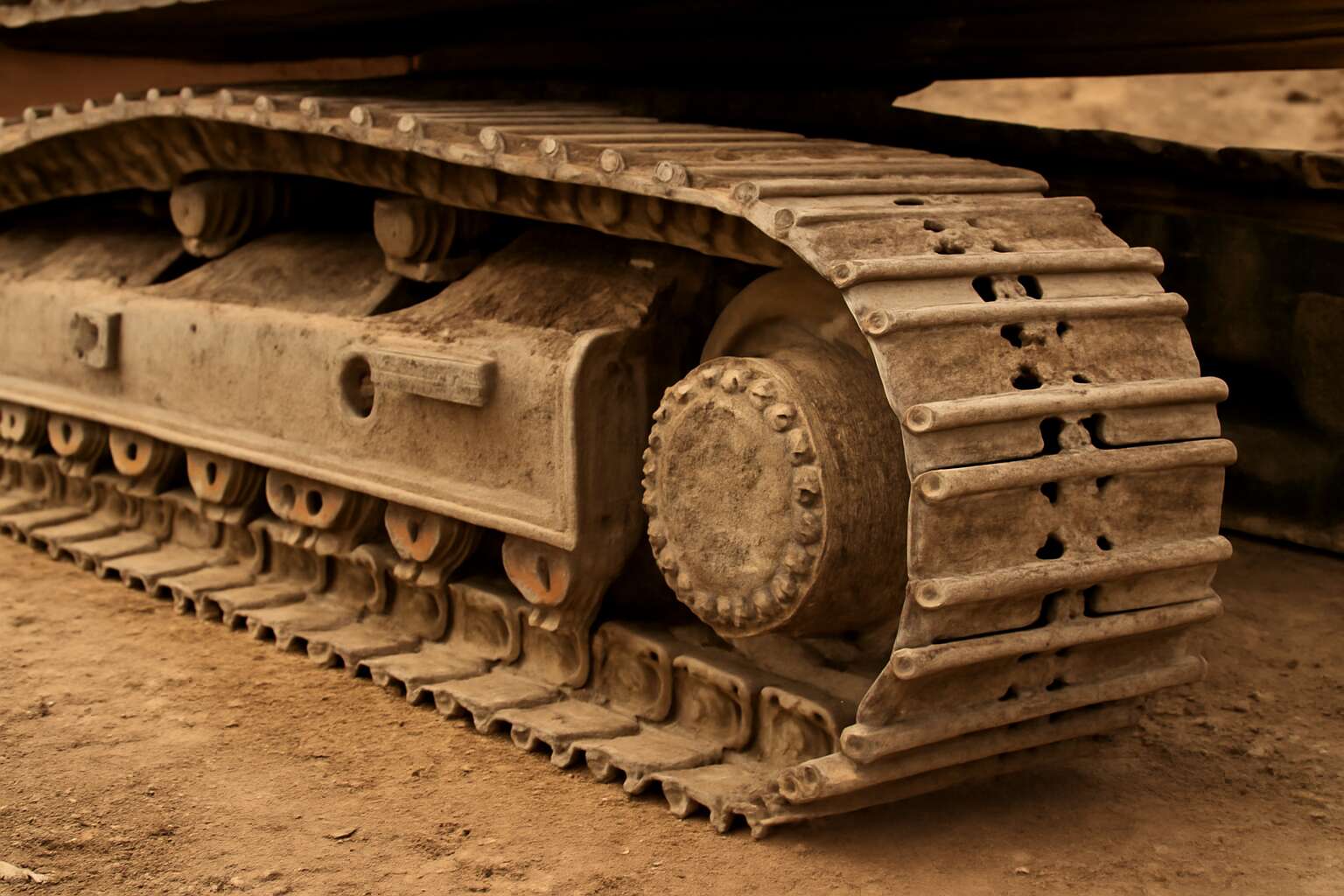
Understanding the Excavator Undercarriage: Core Components and Function
Tracks and Sprockets: Roles and Relationships
On South Africa’s rugged job sites, the excavator undercarriage takes more punishment than a weekday traffic jam. Up to 60% of a machine’s maintenance costs trace back to this stubborn system, a reality that keeps fleet managers with calculators in bed and coffee in hand.
At its heart, the excavator undercarriage is a compact ecosystem of moving parts. The tracks, drive sprockets, rollers, idlers, and tensioners form a continuous loop that carries the machine’s weight and shrugs off shocks. Tracks and sprockets are the two stars of the show: the sprockets translate engine power into motion, while the tracks distribute load and maintain grip on uneven ground. Here are the key relationships:
- Tracks spread load to ground
- Sprockets turn power into motion
- Rollers guide the track path
- Idlers keep tension and alignment
Rollers, Idlers, and Tensioning Systems
In South Africa’s toughest work zones, the undercarriage bears the brunt of punishment. The maintenance bill for this section can push up to 60% of a machine’s costs, and the reason is simple: the system lives at the edge where weight meets ground. It’s the quiet backbone that keeps rigs moving.
I’ve learned that the excavator undercarriage is a compact loop of moving parts. Rollers, idlers, and tensioning systems work in concert to translate weight into grip and motion. Here’s how they play out in practice:
- Rollers guide the track path
- Idlers maintain tension and alignment
- Tensioning systems adjust track tension to compensate for wear and ground conditions
Together, they keep the machine stable on uneven ground, letting hydraulic power do the heavy lifting with fewer hiccups.
Undercarriage Frame and Wear Plates
Rugged terrain tests machines to their core, and the excavator undercarriage is its quiet heartbeat. The frame bears the load, distributing it through a lattice of steel and joints, turning weight into controlled motion. This backbone keeps the rig steady when the ground trembles and heavy pulls demand precision.
At the heart of the system, the undercarriage frame offers rigidity and safety. Wear plates shield high-wear zones around pivots, pins, and track guides, absorbing abrasion and reducing downtime. Proper design and material selection translate harsh environments into longer service life and fewer surprises on site.
- Rigid frame sustains cyclic loads without sag
- Wear plates shield pivots and track guides from abrasion
- Fresh mounting methods preserve alignment under tough conditions
Effect on Traction, Stability, and Fuel Efficiency
On South African job sites, the excavator undercarriage is the quiet heartbeat of power, turning stubborn ground into progress. When it stays true, traction on gravel, clay, or shale improves; stability sharpens; and fuel efficiency follows like a trusted ally. Industry data even notes up to a 12% swing in fuel consumption tied to the undercarriage’s condition.
Core components and their function align with three pillars:
- Frame rigidity distributes cyclic loads, keeping the machine steady
- Pivot shields and track-guide surfaces resist abrasion, preserving precision
- Mounting alignment preserves track tension, energy transfer, and control
Wear Indicators and Diagnostics for the Excavator Undercarriage
Visual Wear Signs: Track Shoes, Sprockets, Rollers
In South Africa’s rugged terrain, a single worn lug on the excavator undercarriage can cascade into costly downtime. Field data shows that up to 40% of maintenance calls trace back to unseen wear signs in the undercarriage, quietly eroding efficiency and fuel economy.
Visual wear indicators emerge as you watch the machine work: track shoes display uneven lug wear, sprockets show rounding or chipping, and rollers reveal uneven wear around wheel hubs. Diagnostics hinge on more than looks—experts compare against new benchmarks, notice unusual vibration or heat, and read maintenance histories to spot patterns that tell a deeper story about the undercarriage.
Wear indicators to watch include:
- Worn track shoe lugs
- Rounded or chipped sprocket teeth
- Roller hubs with side play
Measuring Track Tension and Pitch: Tools and Techniques
On South Africa’s rough work sites, a single slack in the excavator undercarriage can cascade into costly downtime. Field data show productivity dips of up to 12% when tension and pitch drift from spec, often hiding until a dramatic failure interrupts the shift. Wear indicators point to a deeper truth: diagnostics must read the invisible rhythm beneath the steel.
To translate wear into certainty, the right tools matter.
- Dial tension gauge for consistent pull
- Straightedge and ruler to measure pitch
- Laser alignment tool or vibrometer for runout
Diagnostics hinge on more than looks—unusual heat, vibration, and a maintenance history that tells a deeper story about the machine’s undercarriage. The truth hides in patterns, not pulses of wear alone.
When to Inspect: Frequency and Best Practices
On South Africa’s rough work sites, a single slack in the excavator undercarriage can cascade into costly downtime. Field data show productivity dips of up to 12% when tension and pitch drift from spec, often hiding until a dramatic failure interrupts the shift. Wear indicators here reveal a deeper truth: diagnostics must read the invisible rhythm beneath the steel, translating quiet signs into a confidant narrative of the machine’s health.
Diagnostics hinge on more than looks—heat whispers, vibrations murmur, and a thorough maintenance history tells a deeper story. The truth emerges in patterns, not on a single sign. When to inspect? Let cadence follow the duty cycle and terrain roughness, applying best practices that acknowledge wear’s quiet language and the machine’s history. Patterns of signals become a map, guiding crews toward reliable performance before trouble gathers speed.
Maintenance and Repair Practices to Extend Undercarriage Life
Routine Cleaning and Debris Removal
On South African job sites, the dirt inside the excavator undercarriage is a quiet barometer of uptime. A clean undercarriage isn’t glamorous, but it pays in the long run. As one operator puts it, cleanliness is the cheapest maintenance you’ll buy.
Routine cleaning and debris removal slow abrasive wear by removing grit that can grind away at seals and joints. A free-flowing undercarriage means smoother operation, better traction, and less heat buildup in tough terrain.
- Debris buildup and its impact on wear within key contact areas
- Guard and seal condition to protect against contamination
- Coatings, corrosion resistance, and crevice protection for longevity
Well kept, the undercarriage of the machine supports safer operation and longer service life in South Africa’s demanding environments.
Tensioning and Alignment Procedures
Maintenance and repair practices that extend undercarriage life unfold like a midnight vigil on South African sites. Tensioning and alignment—small, patient calibrations—keep the tracks true when the ground is rough and the air gritty. I’ve learned that neglecting these quiet adjustments invites heat, sway, and unwelcome wear inside the excavator undercarriage; a patient operator can coax months more life from the steel and grease.
- Baseline specifications and performance metrics guide checks rather than guesswork.
- Monitor wear patterns and drift across contact surfaces, noting when alignment begins to deviate.
- Inspect guarding, fasteners, and seals to prevent debris-driven misalignment and scatter.
On the shop floor and on site, precision in tension and alignment pays in uptime and safety. The undercarriage is a living interface with the earth, and respect for its geometry is respect for the day’s work.
Shoe and Link Replacement: Steps and Safety
On South Africa’s rough sites, the excavator undercarriage does the quiet heavy lifting day after day. Industry chatter puts downtime from undercarriage wear at as much as 20%, a reminder that small neglected choices echo loudly in the workshop.
Maintenance and repair practices around shoe and link components mean keeping curves true and joints clear of grit. Inspect wear patterns, align contact faces, and choose compatible inserts. These quiet checks are lifelines that steady traction and protect the big steel heart.
Safety stays front and center: lifting, locking, and supporting components must be treated with respect; the aim is longer life and fewer surprises on site. When time comes for replacement, it is weighed against the wear life and the rhythm of the workday. This approach protects the excavator undercarriage from premature fatigue.
Lubrication, Fasteners, and Bolt Checks
On South Africa’s rough sites, downtime from undercarriage wear can stretch weeks. A stark 20% of productivity losses trace to lubrication neglect and bolt loosening, a reminder that small choices echo loudly in workshops. For the excavator undercarriage, lubrication, fasteners, and bolt checks are quiet sentinels that steady traction and protect the big steel heart.
Maintenance and repair practices to extend undercarriage life hinge on a disciplined lubrication culture, steadfast fasteners, and a healthy bolt-check cadence.
- Lubrication discipline: consistent grease points, clean fittings, and OEM-approved lubricants support longevity.
- Fastener fidelity: monitoring thread wear, corrosion resistance, and engagement to prevent loosening.
- Bolt check philosophy: documenting wear signals and syncing inspection cadence with site rhythms.
When attention stays steady, the excavator undercarriage speaks softly through longer service intervals and fewer surprises on site.
Repair vs. Replacement: Decision Guidelines
On South Africa’s rugged sites, the excavator undercarriage moves through grit and heat like a seasoned traveler! A stark 20% of productivity losses trace to maintenance neglect, a reminder that small choices echo loudly in workshops. When the moment comes to choose between repair and replacement, a clear framework helps the decision stay honest and practical.
Key decision factors include:
- Remaining wear life and observable signs
- Parts availability and replacement cost
- Downtime impact on site rhythm and output
- Long-term value: refurbishment versus new components
Ultimately, the choice rests on field data, expected reliability, and total cost of ownership. The undercarriage is the quiet anchor of traction and stability, and treating it as a living asset keeps the fleet agile in changing terrain and schedules.
Operational Strategies for Longevity: Excavator Undercarriage
Operating Techniques on Different Surfaces (Mud, Gravel, Hardpan)
Weight Distribution and Ground Contact Optimization
Across South Africa’s demanding job sites, longevity begins where weight meets ground in quiet balance. A machine writes its story on soil and steel, turning force into durable motion. On red dust and clay, load and surface weave a durable, predictable rhythm.
Weight distribution and ground contact anchor longevity in a few enduring truths:
- Balanced weight transfer reduces peak pressures on track shoes, rollers, and the frame.
- Center of gravity alignment preserves stable traction across varied soils.
- Uniform load paths keep wear even and predictable over time.
Seen from distant yards or coastal sites, this philosophy translates into steadier performance and lower downtime for the excavator undercarriage. Quiet wear becomes honest reliability on South African landscapes.
Seasonal Considerations: Cold Weather and Dust
Seasonal winds re-script the undercarriage’s fate on South Africa’s red soils. A machine’s heartbeat slows and quickens with frost, dust, and the blazing glare of mid-morning sun.
In pockets of cold at the Highveld and Karoo, the excavator undercarriage tells a quieter tale: pins and bushings resist, lubrication thickens, and travel becomes a measured, patient rhythm.
Dust storms sweep across clay and loam, abrading seals and guiding wear along subtle paths. Operators learn to read the air, adjusting expectations as visibility shrinks and surfaces shine with grit.
Seasonal considerations shape a culture of care, turning maintenance into a quiet art that preserves traction, stability, and longevity without fanfare.
Preventive Maintenance Scheduling and Budgeting
On South Africa’s rugged sites, uptime is measured in breaths, not minutes. A veteran operator once said, “Maintenance is the quiet engine of performance”—and that truth travels with every swing of the boom. For the excavator undercarriage, longevity begins the moment cyclic tasks are scheduled rather than hurried.
Operational longevity thrives when preventive maintenance scheduling is steady and budgeting cushions the inevitable wear. This approach reduces unplanned downtime, preserves traction, and keeps components aligned with the work cycle.
Budgeting becomes a disciplined act: forecast parts, fluids, and service hours as an investment in reliability. The result is a smoother cadence across seasons and workfaces.
Choosing the Right Undercarriage System for Your Excavator
Steel vs Rubber Tracks: Pros, Cons, and Use Cases
Choosing the right excavator undercarriage is where uptime and budgets shake hands. On Southern African sites, wear costs hinge on track choice more than you’d expect—a fact that makes steel and rubber debates surprisingly strategic. The goal is simple: balance traction and life.
Steel tracks haul heavy loads where terrain bites back; rubber tracks smooth the ride and spare finished surfaces. Your choice should map to the usual ground, payload, and site restrictions—because every centimeter of contact changes performance and wear patterns.
- Steel tracks: Pros—durability; Cons—heavier; Use case—rough, abrasive terrain.
- Rubber tracks: Pros—low ground pressure; Cons—faster wear on rock; Use case—urban, finished surfaces.
A calculated excavator undercarriage choice supports longevity, efficiency, and resale value across seasons.
Component Quality, Warranty, and Service Availability
On South African worksites, uptime is king, and a spare moment of downtime can cascade into days of lost productivity. The right excavator undercarriage choice—emphasising component quality, warranty scope, and service availability—locks in reliability when the terrain bites back. The decision isn’t just about price; it’s about securing a partner that resists dust, heat, and heavy loads across seasons.
- Component quality and material standards that match your workload
- Warranty terms covering wear, misalignment, and fatigue with clear return paths
- Service network and parts availability across South Africa to minimise downtime
When evaluating suppliers, look for transparent warranty clauses, documented service intervals, and local training resources. A robust excavator undercarriage program guards longevity, efficiency, and resale value, giving operators confidence on every site.
Cost-Benefit Analysis: ROI and TCO over the Lifecycle
Choosing the right excavator undercarriage is about more than purchase price. On South African sites, every hour of downtime can cost tens of thousands in lost productivity. The right undercarriage system becomes a quiet multiplier of ROI and a cornerstone in TCO over the lifecycle, resisting dust, heat, and heavy loads while keeping maintenance discreet and predictable.
- Initial cost versus wear-life on site
- Maintenance frequency and downtime impact
- Spare-parts availability and supplier responsiveness
Viewed through a lifecycle lens, the excavator undercarriage becomes a strategic asset, shaping reliability, uptime, and long-term value.




0 Comments