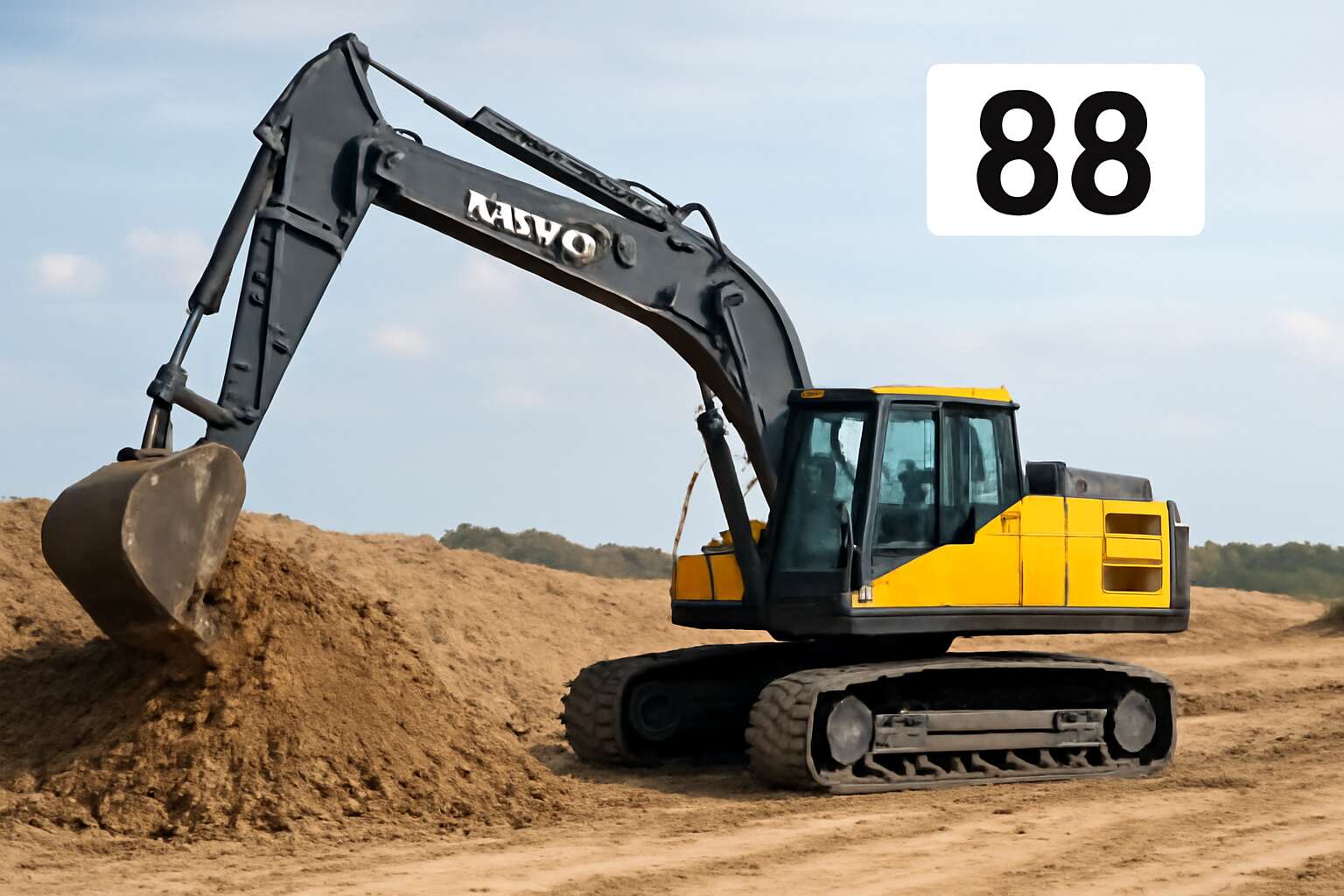
Volvo excavator weight guide
Weight definitions and classifications
On South Africa’s toughest sites, every kilogram matters. The volvo 88 excavator weight influences lift capacity, travel stability, and permit considerations, so precision is non-negotiable.
Weight definitions and classifications are not abstract concepts; they shape how work gets done and how sites are planned. The core categories include operating weight, transport weight, and ballast configurations. Here’s a quick breakdown:
- Operating weight: the machine with standard attachments and a typical fuel load
- Transport or shipping weight: the machine with minimal ballast and no fuel for road/rail transport
- Ballast and attachments adjustments: additional weights added for digging performance or stability
For choices around the volvo 88 excavator weight, understanding these distinctions unlocks safer, more efficient moves on rugged terrain and contributes to sustainable productivity on South African jobsites.
Model range weight specifications and comparisons
On South Africa’s toughest sites, 1 tonne can tilt the day. The volvo 88 excavator weight acts like a steadfast compass, guiding lift capacity, stability on uneven ground, and permit considerations!
In Volvo’s model range, weight shifts as boom lengths adjust and ballast choices change. The volvo 88 excavator weight sits in the compact-to-mid category, with operating weights near the upper eight-tonne mark when loaded with standard attachments and fuel.
Weight specifications aren’t just numbers; they’re navigation for planning digs, loading, and road transfers on South African jobsites. Different configurations reveal how ballast and attachments widen or narrow your working envelope, shaping reach, breakout, and travel stability in real terrain.
Practical factors influencing weight in field
Across South Africa’s toughest sites, misreading lift envelopes can shave a full day off a project each week.
The volvo 88 excavator weight sits in the compact-to-mid category, with operating weights near the upper eight-tonne mark when loaded with standard attachments and fuel.
Practical factors influencing weight in the field include:
- Ballast choices and counterweight setup
- Attachment load and type (buckets, breakers)
- Fuel and hydraulic oil levels
- Boom length and working position
- Ground conditions and slope stability
On South African jobsites, weight specs guide planning digs, loading, and road transfers; ballast and attachments widen or narrow your working envelope, shaping reach, breakout, and travel stability.
Operational and compliance considerations
On South Africa’s toughest sites, a single misjudgment can turn a smooth dig into a chorus of delays. A site manager once quipped, “If the numbers don’t balance, the whole project tips.” The volvo 88 excavator weight isn’t mere trivia—it governs how you approach lifts, road transfers, and the ever-watchful eye of compliance inspectors.
Operational and compliance considerations orbit around balance: ballast choices and counterweights, attachment load, fuel and hydraulic oil levels, and boom position. The volvo 88 excavator weight becomes a compass when planning site access and ensuring that every move stays within permitted envelopes and rules of the road—avoiding theatre-like negotiations with authorities.
- Regulatory alignment with road authorities on transport and site access
- Stability and slope considerations to protect personnel and equipment
- Validation of weight charts against service records
- Ballast and attachment configurations kept within permitted envelopes
Done with tact, weight conversations stay as polite as a well-timed nod, keeping projects advancing with grace and precision.




0 Comments