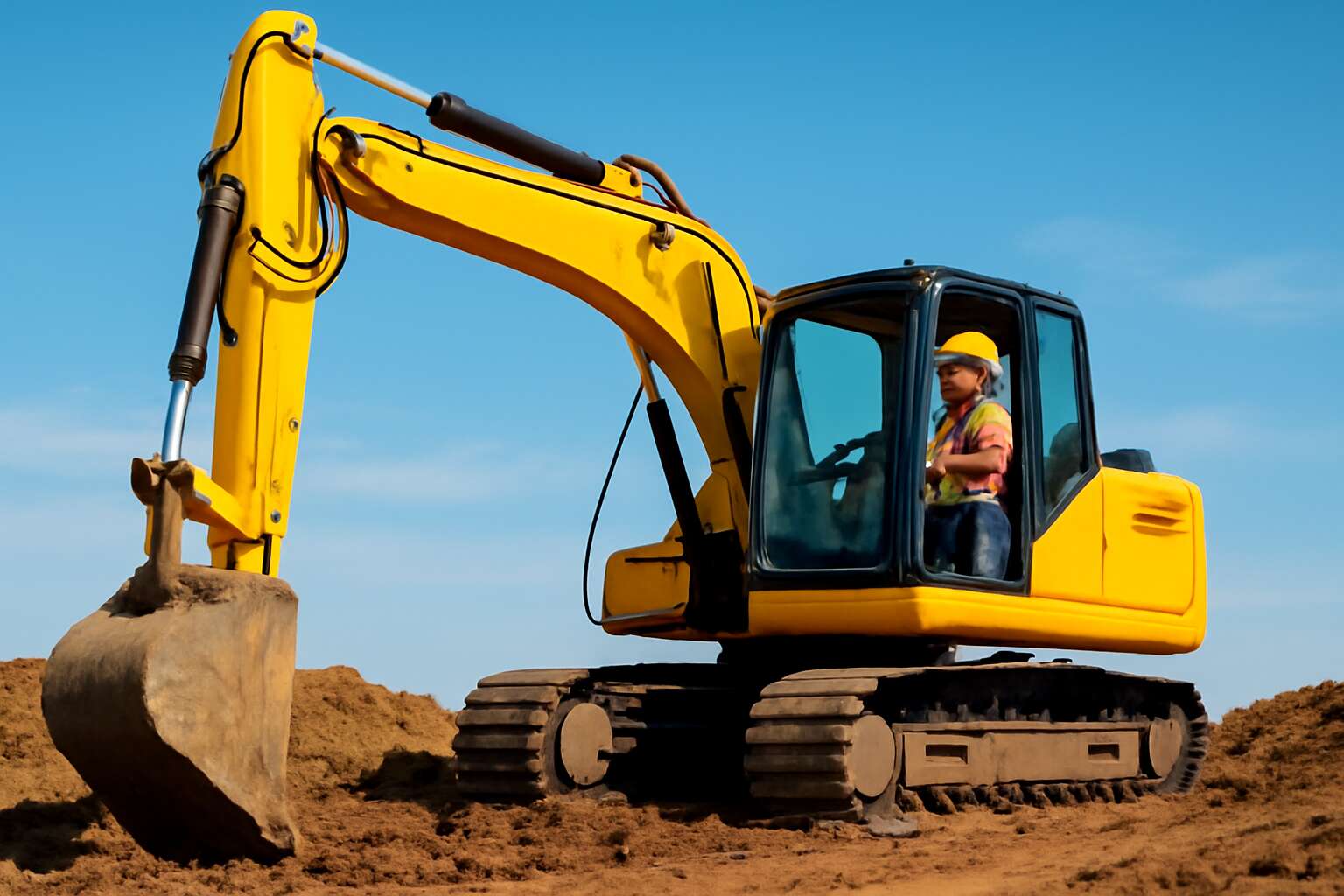
Comprehensive guide to excavator operator careers
Understanding the excavator operator role
Across South Africa’s thriving construction corridors, the operator role stands as the quiet engine of progress. In my experience, a skilled operator can turn raw earth into the backbone of a project—shaping futures with measured, deliberate moves. Productivity hinges on calm, precise control.
Here are the essentials that separate good operators from great ones on South African sites:
- site safety and regulatory compliance
- machine setup, calibration, and routine maintenance
- terrain assessment, load management, and precise digging
From apprentice to supervisor, my days on site teach humility and grit. This excavator operator job rewards curiosity about hydraulics, balance, and teamwork—crafting outcomes that outlive a single shift and echo across ramps and quarries.
Skills, training, and qualifications
“Patience is the fiercest tool on a site,” a veteran operator reminded me, and it still rings true. Across South Africa’s corridors of construction, the right blend of discipline and curiosity turns rough earth into the backbone of a project. This is a craft where calm, measured control translates into predictable progress and safer outcomes.
- Accredited earthmoving machinery training
- On-site safety, regulatory compliance, and OHS standards
- Blueprint interpretation, surveying basics, and site layout
- Fundamentals of hydraulics, diagnostics, and routine maintenance
For aspirants pursuing the excavator operator job, the path blends formal qualifications with hands-on apprenticeships and ongoing refreshers on calibration, load management, and teamwork. South Africa’s training providers and employers value certified courses, practical portfolios, and a demonstrated calm under shifting loads.
Career path, salary, and growth potential
On South Africa’s expanding horizons, the excavator operator job sits at the hinge between earth and ambition. A veteran operator whispered that patience is the fiercest tool on a site, and that creed still keeps projects honest as steel and dust entwine.
From apprenticeships to lead operator roles, the excavator operator job is mapped by hands-on practice and formal certification. Earnings commonly range from roughly R150,000 to R420,000 per year, with larger civil and mining schemes offering higher ceilings, especially in coastal and inland hubs where demand roars.
Growth potential arises when hydraulic finesse, calibration, and risk-aware leadership become second nature; that rare blend helps operators transition into supervisory roles, project coordination, or specialized equipment mastery, expanding career horizons across South Africa’s diverse terrains.
- Apprenticeship and certification establish the base
- Advance to a primary operator overseeing complex sites
- Move into supervision, mentoring, or project planning
Job market and opportunities for excavator operators
In South Africa, construction sites breathe like living archives. A recent industry snapshot shows demand for the excavator operator job has climbed by nearly 12% year on year, turning gritty earth into opportunity where ambition takes root!
From inland mines to coastal civil projects, opportunities pulse along the chain of SA’s landscapes. The field rewards hands-on precision and steady nerves. Markets include:
- Civil engineering and roads
- Mining and quarrying
- Waste management and land rehabilitation
Cities and corridors—Gauteng’s dense development; the Western Cape’s harbour expansions; KwaZulu-Natal’s mining support—offer sustained work for operators who blend hydraulic finesse with practical leadership. The excavator operator job remains a fluid compass in a nation reshaping its horizons.
Training, safety standards, and certification pathways
Across South Africa, demand for the excavator operator job has climbed nearly 12% year on year, turning heavy earth into a proving ground for skill and discipline. This isn’t about brute force; it’s about reading soil, rhythm, and risk. A solid training foundation and unwavering safety standards translate ambition into reliable performance on civil roads, mining supports, and rehabilitation projects.
Training, safety standards, and certification pathways shape every operator’s career. The elements below define robust preparation:
- Site induction and hazard recognition
- Machinery familiarization and pre-start checks
- Safe operating procedures for hydraulic excavators
- Maintenance basics and fault reporting
- Certification prerequisites and ongoing competency assessments
Certification pathways rely on SETA-approved providers and NQF-aligned qualifications, with periodic refreshers tied to OH&S regulations. In the SA landscape, this framework elevates the excavator operator job from routine work to trusted leadership on site.




0 Comments